
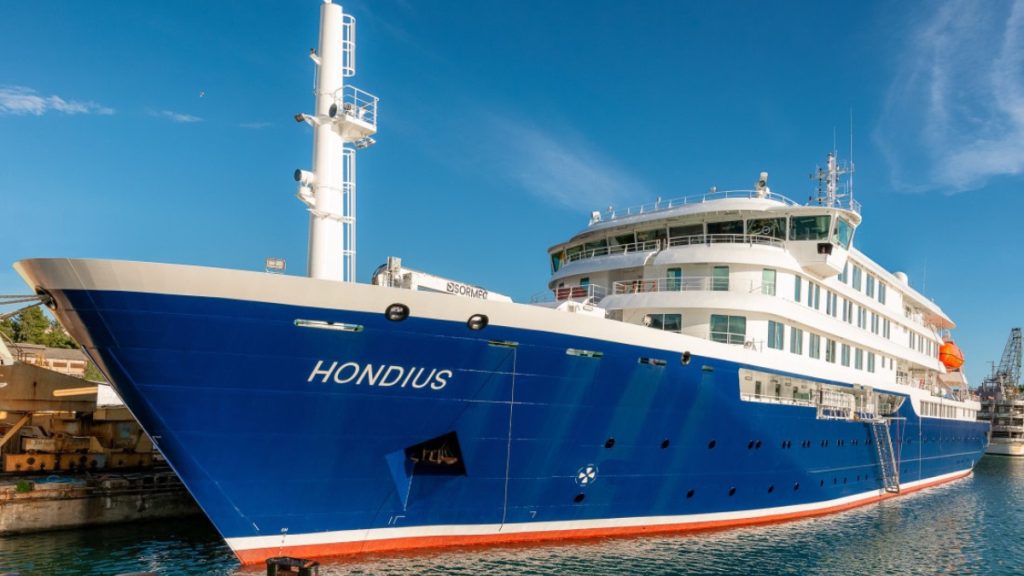
The MV Hondius departed Argentina in April on an expedition to Antarctica. It arrived in Tenerife last weekend surrounded by health officials in full protective gear. Three passengers are dead. Here’s what’s happening.
This is the health story nobody had on their 2026 bingo card, but here we are. The MV Hondius: a Dutch-flagged expedition cruise ship is at the centre of an active hantavirus outbreak that has, as of May 12, resulted in three deaths and at least ten confirmed or suspected cases among its 149 passengers and crew, representing 23 different nationalities.
What Happened
The MV Hondius departed Ushuaia, Argentina on April 1 on an expedition route through the South Atlantic: Antarctica, South Georgia Island, Tristan da Cunha, Saint Helena, and Ascension Island. On April 6, the first passenger, an adult male, developed fever, headache, and mild diarrhoea. By April 11, he had deteriorated into respiratory distress and died on board that same day.
More cases followed. By the time the WHO was notified on May 2, two people had died and one was critically ill in intensive care in South Africa after medical evacuation. Laboratory testing in South Africa confirmed the diagnosis: hantavirus. Specifically, on May 6, WHO identified the strain as Andes virus, the only type of hantavirus known to spread person to person (most strains only spread from rodent to human). That distinction made this more serious.
The Evacuation
The MV Hondius docked in Tenerife, Canary Islands on May 10. The scenes were striking: passengers disembarked in the presence of Spanish health and interior ministers and the WHO Director-General, sprayed with disinfectant by officials in full hazmat suits before boarding repatriation flights. Spanish authorities confirmed that a skeleton crew would remain aboard to sail the ship to Rotterdam for full disinfection, along with the body of one passenger who died on board.
A CDC team met the ship at the Canary Islands on May 7. American passengers have been repatriated and directed to a National Quarantine Unit in Nebraska. The CDC’s facility with specialised infectious disease capabilities.
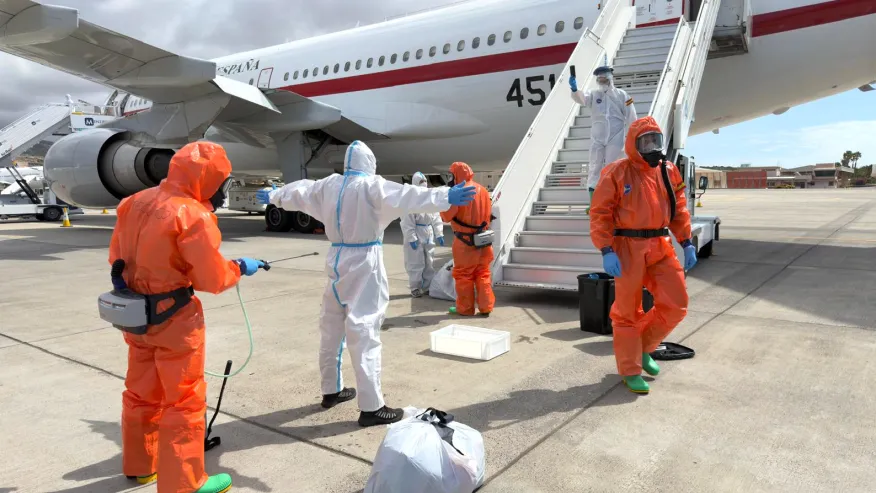
At least one American tested positive; another showed symptoms during a repatriation flight. France reported a citizen who began showing symptoms mid-air. All five passengers on that French flight were immediately isolated.
What Is Andes Virus and Should You Be Worried?
Hantavirus is normally contracted through contact with infected rodent droppings, urine, or saliva, particularly in rural or wilderness areas of South America. The Andes virus is the rare exception in that it can spread between people, but this spread is typically limited to close contact: sharing utensils, kissing, handling contaminated bedding, or exposure to an infected person’s respiratory secretions.
The CDC has been clear: the risk to the general public remains extremely low. Hantavirus is not airborne in the way respiratory viruses like influenza are. There is no evidence of transmission in airports or during normal public interactions with passengers who have since disembarked.
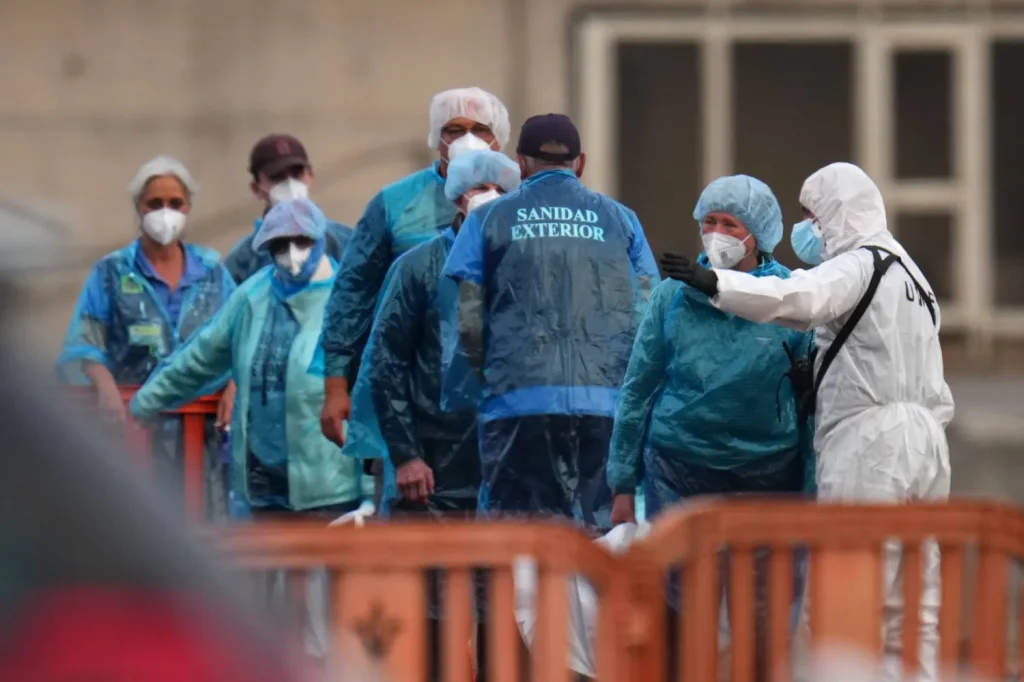
As of May 12,2026: ten cases (six confirmed, four suspected). Three deaths: a Dutch couple and a German woman. Investigations are ongoing. The WHO, CDC, and ECDC are all actively monitoring. The ship is en route to Rotterdam.
If you were a passenger on the MV Hondius or had close contact with someone who was, contact a medical professional immediately and monitor for fever, headache, and respiratory symptoms.
For everyone else: wash your hands, don’t touch rodent nests in rural South America, and perhaps wait a few months before booking that Antarctica expedition cruise. (We say that partly in dark humor and partly completely seriously.)