
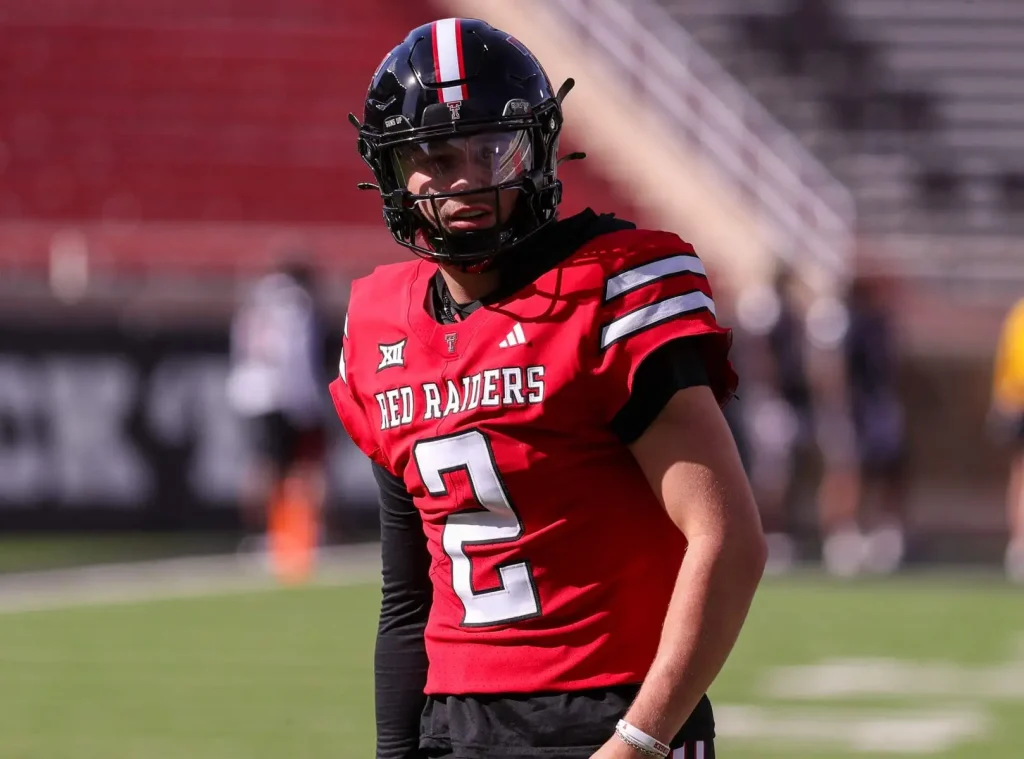
Brendan Sorsby Granted Injunction in Major NCAA Eligibility Case
Texas Tech quarterback Brendan Sorsby has won a significant legal victory in one of the most closely watched college football eligibility disputes of 2026.
A Texas judge granted Sorsby’s request for an injunction, allowing the former Cincinnati quarterback to regain eligibility during the upcoming season despite the NCAA’s decision to deny his reinstatement appeal. Under the court’s ruling, Sorsby will miss Texas Tech’s first two games before becoming eligible for the Red Raiders’ Big 12 schedule. The decision marks a dramatic turn in a case that has sparked national debate about gambling violations, athlete mental health, and the NCAA’s disciplinary authority.
Why Was Brendan Sorsby Ruled Ineligible?
The controversy began after an NCAA investigation revealed that Sorsby had engaged in extensive sports gambling activity during his college career.
Court filings and reports indicate that Sorsby placed thousands of wagers totaling tens of thousands of dollars while attending both Indiana and Cincinnati. Some of those wagers reportedly involved Indiana football games while he was a member of the program.
NCAA rules strictly prohibit student-athletes from betting on sports sponsored by the organization. As a result, Sorsby was declared ineligible, and the NCAA later rejected Texas Tech’s request to reinstate him.
The quarterback has acknowledged his gambling activity and has publicly sought treatment for a gambling addiction.
Texas Tech’s Support of Sorsby
Texas Tech officials strongly backed Sorsby’s reinstatement efforts throughout the process.
After transferring from Cincinnati, Sorsby was expected to be a centerpiece of Texas Tech’s 2026 roster. The Red Raiders pursued multiple avenues to restore his eligibility, including filing appeals and supporting legal action against the NCAA’s ruling.
The university argued that Sorsby had taken meaningful steps toward recovery and rehabilitation and should be allowed an opportunity to continue his collegiate career.
The Court’s Decision
The injunction issued by a Lubbock County judge creates a compromise between complete reinstatement and permanent ineligibility.
Under the ruling:
- Sorsby will sit out Texas Tech’s first two games of the 2026 season.
- He must participate in ongoing counseling.
- He must continue involvement with gambling recovery programs.
- He will be eligible to return for conference play later in the season.
The decision effectively overrides the NCAA’s immediate enforcement action while the broader legal issues continue to be addressed.
Mental Health and Gambling Addiction at the Center of the Case
One of the most significant aspects of the lawsuit involved the role of gambling addiction.
Attorneys representing Sorsby argued that he suffers from a diagnosed gambling disorder and that treatment and rehabilitation should be considered when determining penalties.
Reports indicate that Sorsby completed a residential treatment program before seeking reinstatement. His legal team contended that preventing him from playing football could negatively impact his recovery process.
The NCAA countered that its gambling policies must be enforced consistently regardless of the underlying causes of the behavior.
The case has therefore become about more than one player’s eligibility—it has raised broader questions about how college athletics should handle addiction-related misconduct in an era of rapidly expanding legalized sports betting.
What This Means for Texas Tech
The ruling is a major boost for Texas Tech’s championship ambitions.
Sorsby entered the transfer portal as one of the most sought-after quarterbacks in college football. During his time at Cincinnati, he developed into one of the most productive dual-threat quarterbacks in the country and was expected to lead the Red Raiders’ offense in 2026.
Although Texas Tech will need alternative options for the season’s opening games, the possibility of having Sorsby available for Big 12 competition significantly strengthens the team’s outlook.
Potential Impact on the NCAA
The NCAA has increasingly faced legal challenges to its eligibility decisions.
Recent years have seen courts intervene in matters involving transfers, NIL compensation, athlete rights, and eligibility restrictions. The Sorsby case could become another example of judicial involvement in college athletics governance.
Legal experts believe the case may influence how future gambling-related violations are evaluated, particularly when addiction treatment and mental health considerations are involved.
As legalized sports betting continues to expand across the United States, college sports organizations may face increasing pressure to balance enforcement with rehabilitation.
Final Thoughts
Brendan Sorsby’s injunction victory represents one of the most consequential college football rulings of the 2026 offseason.
While the NCAA maintained that its gambling policies required strict enforcement, the court determined that Sorsby should have an opportunity to continue his career under specific conditions.
The decision gives Texas Tech a potential starting quarterback for conference play, but it also opens a wider conversation about gambling addiction, athlete welfare, and the future of NCAA governance.
Whether the ruling ultimately becomes a landmark precedent remains to be seen, but its impact is already being felt across college football.