●MOVIE:
Michael smashes records —$97M domestic, $217M global opening weekend · biggest music biopic debut in history. POLITICS: Trump cancels Witkoff & Kushner Pakistan trip — "We have all the cards. They can call us." Breaking: Gunman Cole Tomas Allen, 31, identified in White House Correspondents' Dinner shooting — manifesto found targeting Trump admin. Celebrity: Megan Thee Stallion breaks up with Klay Thompson after cheating claims ●MOVIE:
Michael smashes records —$97M domestic, $217M global opening weekend · biggest music biopic debut in history. POLITICS: Trump cancels Witkoff & Kushner Pakistan trip — "We have all the cards. They can call us." Breaking: Gunman Cole Tomas Allen, 31, identified in White House Correspondents' Dinner shooting — manifesto found targeting Trump admin. Celebrity: Megan Thee Stallion breaks up with Klay Thompson after cheating claims
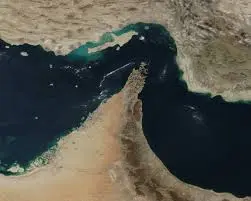
Iran has reimposed what it called “strict control” over the Strait of Hormuz on Saturday, reversing a brief declaration made just twenty-four hours earlier that the critical waterway was fully open to commercial shipping. The move came as Iran accused the United States of failing to lift its naval blockade of Iranian ports, which Washington launched on April 13 following the collapse of U.S.-Iran peace talks in Pakistan.
“Control over the Strait of Hormuz has returned to its previous state, and this strategic waterway is now under strict management and control of the armed forces,” a spokesperson for Iran’s Khatam al-Anbiya military command headquarters said on Saturday, according to Iranian state broadcaster IRIB.
“Iran agreed to allow a limited number of ships to pass through the Strait of Hormuz according to agreements. But the U.S. did not fulfil their obligations. So, the Strait of Hormuz is now closed again and passage requires Iran approval.”— Iran’s joint military command, via IRIB state television
“When the agreement is signed, the blockade ends,” Trump said.
KEY FIGURES
~27%
Of world’s maritime crude oil trade transiting the Strait
21
Ships turned back by U.S. blockade since Monday
Mar. 4
Date Iran first declared the Strait “closed”
Apr. 13
Date U.S. naval blockade of Iranian ports began
The head of Iran’s National Security Commission framed Saturday’s closure as a direct response to what he described as “America’s untrustworthiness,” calling it a pattern rooted in decades of perceived bad faith. Iran’s foreign ministry added that any future reopening of the Strait would hinge on the United States allowing full freedom of navigation for Iranian-flagged vessels.
The reversal undercuts a brief moment of optimism on Friday, when President Trump posted on Truth Social that Iran had agreed to fully open the passage and thanked Tehran for the move. But the U.S. blockade of Iranian ports was not lifted in parallel, and Iranian officials quickly signaled that the agreement had been breached. Speaking to reporters in Phoenix on Friday evening, Trump acknowledged there “could” be remaining differences with Iran, while insisting the blockade would end only once a final deal was signed.
The Strait of Hormuz, a narrow chokepoint between Iran and Oman connecting the Persian Gulf to the Gulf of Oman, has been the focal point of a broader conflict that began on February 28, when the United States and Israel launched joint airstrikes against Iranian military sites. Iran initially closed the Strait on March 4 in retaliation, threatening vessels that attempted passage. A partial ceasefire brokered in early April had appeared to offer a path toward reopening the waterway, but the collapse of the Islamabad talks and the subsequent U.S. naval blockade have repeatedly derailed progress.
Oil markets, already rattled by weeks of supply disruptions, are expected to respond sharply when Asian markets open Sunday. Energy analysts warn that any sustained return to full closure could accelerate the price increases that have sent fuel costs soaring across Europe and North America since early March.
The situation remains fluid. Iran’s navy said the Strait would stay under military control “as long as the U.S. blockade remains in place,” while U.S. Central Command has said its blockade targets only vessels entering and leaving Iranian ports, and that freedom of navigation for other ships remains in effect.