U.S.–Iran Tensions Escalate as Peace Talks Stall. The geopolitical landscape of the Middle East has entered another period of uncertainty as tensions between the United States and Iran intensify. Fresh military exchanges, stalled peace negotiations, and growing concerns over the Strait of Hormuz have raised alarms across global markets and diplomatic circles.
Recent developments suggest that the fragile progress made in negotiations may be unraveling. Reports indicate that the United States has carried out additional defensive strikes against Iranian military targets following incidents involving drones and regional security threats. At the same time, Iran has responded with increasingly aggressive rhetoric and military actions, creating a dangerous cycle of escalation.
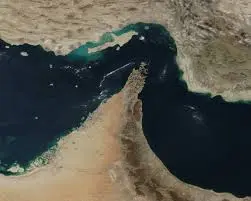
Why the Strait of Hormuz Matters
The Strait of Hormuz is one of the world’s most strategically important waterways. A significant portion of global oil exports passes through this narrow shipping route every day. Any disruption can have immediate consequences for energy prices, international trade, and economic stability.
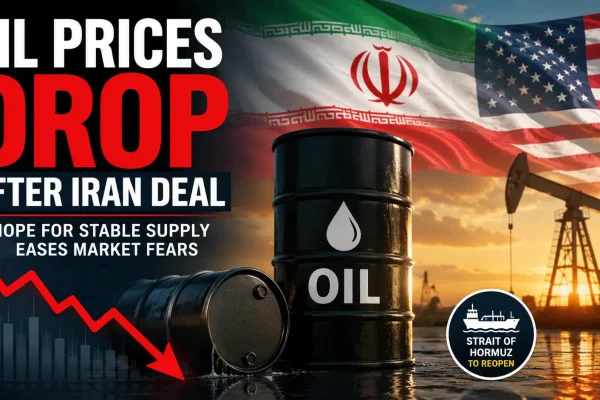
Over the past several weeks, concerns about shipping security in the region have intensified. Military confrontations and threats involving maritime operations have fueled fears that commercial traffic could be affected, leading to volatility in global energy markets. Oil prices have already reacted sharply to reports of renewed military activity.
Peace Talks Facing Major Obstacles
Diplomatic efforts aimed at reducing tensions have encountered significant setbacks. According to multiple reports, negotiations surrounding Iran’s nuclear program, sanctions relief, and regional security arrangements remain unresolved.
The U.S. administration has reportedly presented revised terms for a potential agreement, while Iranian officials continue to insist on maintaining key national interests, including aspects of their nuclear program. The gap between both sides remains substantial, making a breakthrough increasingly difficult.
U.S.–Iran Tensions Escalate as Peace Talks Stall. Political divisions within both countries have further complicated the process. While some policymakers advocate for continued diplomacy, others argue that stronger military and economic pressure is necessary to secure concessions.
Growing Military Pressure
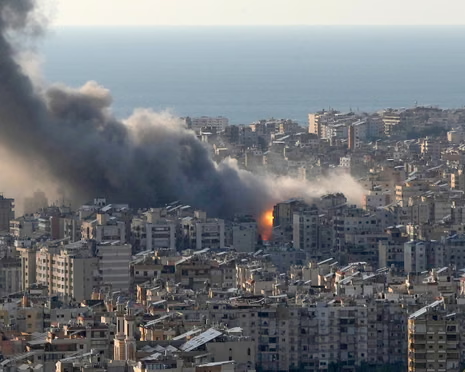
Recent military incidents have demonstrated how quickly the situation can deteriorate. Reports indicate that U.S. forces have targeted Iranian drone and defense infrastructure following security incidents in and around the Gulf region. Iran has responded with retaliatory actions and warnings directed at U.S. interests and regional allies.
These developments have increased concerns among neighboring countries, many of which rely heavily on stability in the Gulf for trade, energy exports, and national security.
Global Economic Impact
Financial markets are closely monitoring every development. Investors worry that prolonged instability could disrupt energy supplies and increase transportation costs worldwide.
Oil prices have already climbed amid fears of supply interruptions, while stock markets across the Gulf region have shown signs of nervousness. Analysts warn that a prolonged conflict could have ripple effects far beyond the Middle East, influencing inflation, energy affordability, and global economic growth.
What Happens Next?
The coming days may prove critical. Diplomatic channels remain open, but trust between the parties appears increasingly fragile. Military leaders continue to prepare for potential escalation, while negotiators attempt to salvage a framework that could prevent a broader regional conflict.
For the international community, the stakes are enormous. A successful agreement could restore stability to one of the world’s most important strategic regions. Failure, however, risks deeper confrontation, economic disruption, and heightened uncertainty across global markets.
As policymakers weigh their next moves, the world will be watching closely to see whether diplomacy can prevail over conflict.