Federal Judge Strikes Down Trump’s $100,000 H-1B Visa Fee
This one just dropped.
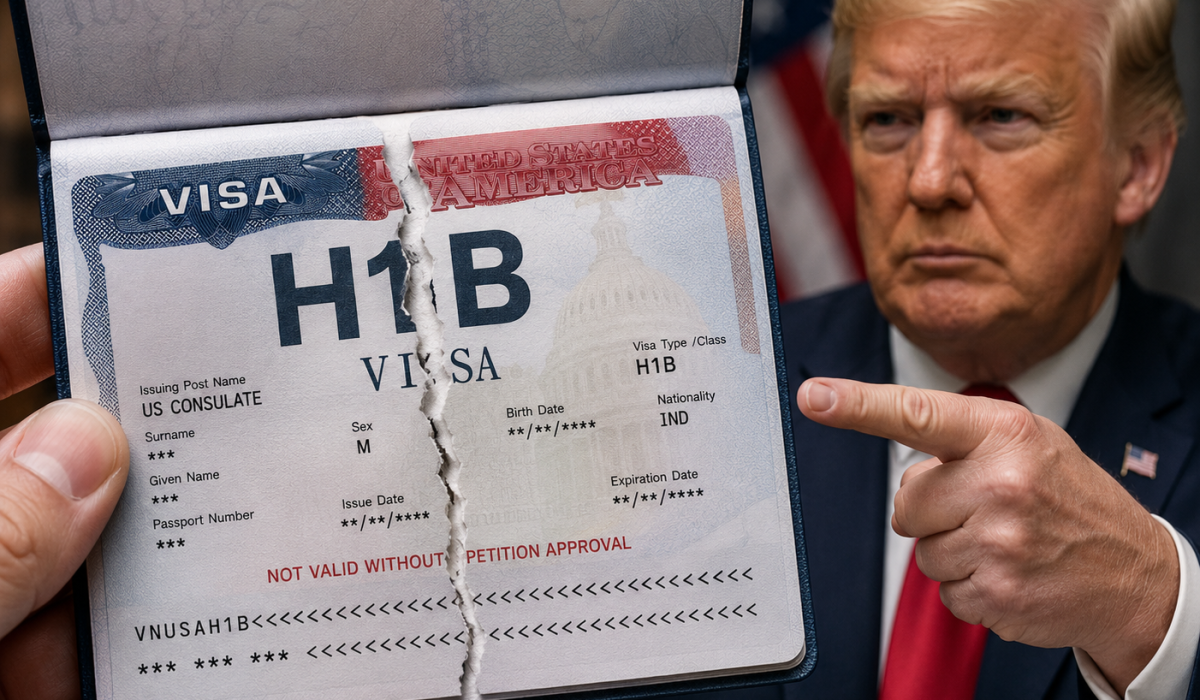
A federal judge in Boston has voided President Donald Trump’s $100,000 application fee for H-1B visas, ruling that the president lacked the authority to impose the new policy for a programme used by companies to hire highly skilled foreign workers in specialised fields.
What Is the H-1B Visa and Who Uses It?
The H-1B programme was created by Congress in 1990. It allows 65,000 skilled foreign workers holding bachelor’s degrees to work in the United States for up to six years, with an additional 20,000 spots reserved for those holding advanced degrees from US institutions.
Tech companies, hospitals, universities, and engineering firms are among the heaviest users of the programme.
It is the primary route through which US employers hire foreign-born software engineers, doctors, researchers, and specialist roles they argue cannot always be filled domestically.
Why Did Trump Impose a $100,000 Fee on H-1B Visas?
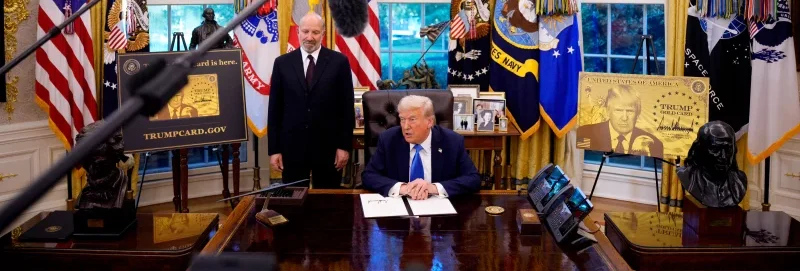
Trump imposed the fee via executive order in September 2025, targeting new H-1B petitions. The administration framed it as a way to limit use of the programme and protect American jobs, arguing that making it significantly more expensive to hire foreign workers would force companies to prioritise domestic candidates first.
The fee had immediate and significant effects, many employers paused new petitions entirely while the legal challenges played out.
Why Did the Judge Strike It Down?
In a 42-page ruling, US District Judge Leo Sorokin agreed with the plaintiffs who argued the fee amounted to an unauthorised tax rather than a regulatory payment.
He wrote plainly: “The President has no authority to levy a tax unless such a power is delegated by Congress through statute.”
The Trump administration’s counter-argument, that this was a regulatory fee within executive authority did not hold up. Only Congress can impose a tax on immigration petitions. The executive order overstepped that line.
Which States Challenged the Fee?
California Attorney General Rob Bonta led the legal challenge alongside 19 other states. The coalition argued the fee caused direct harm to businesses and workers in their states by making it prohibitively expensive to file new H-1B petitions, driving up costs and in some cases forcing companies to rescind job offers made to foreign-born specialists.
What Does This Mean for H-1B Applicants and Employers Right Now?
The ruling voids the $100,000 fee entirely as of today, June 8, 2026. Employers who have been delaying new H-1B petitions because of the cost can now move forward without that barrier.
Workers whose applications were on hold have reason to follow up with their employers immediately. The practical relief is real and immediate.
Will Trump Appeal the Ruling?
Almost certainly. The administration is widely expected to challenge the decision, which means this is unlikely to be the final chapter.
Judge Sorokin is a Boston-based Obama appointee, and the administration has appealed similar rulings on immigration policy aggressively. For now the fee is gone, but watch this space
The White House had not publicly responded to the ruling at time of publishing. We will update as this develops.